Beloved photography. Where are you heading?
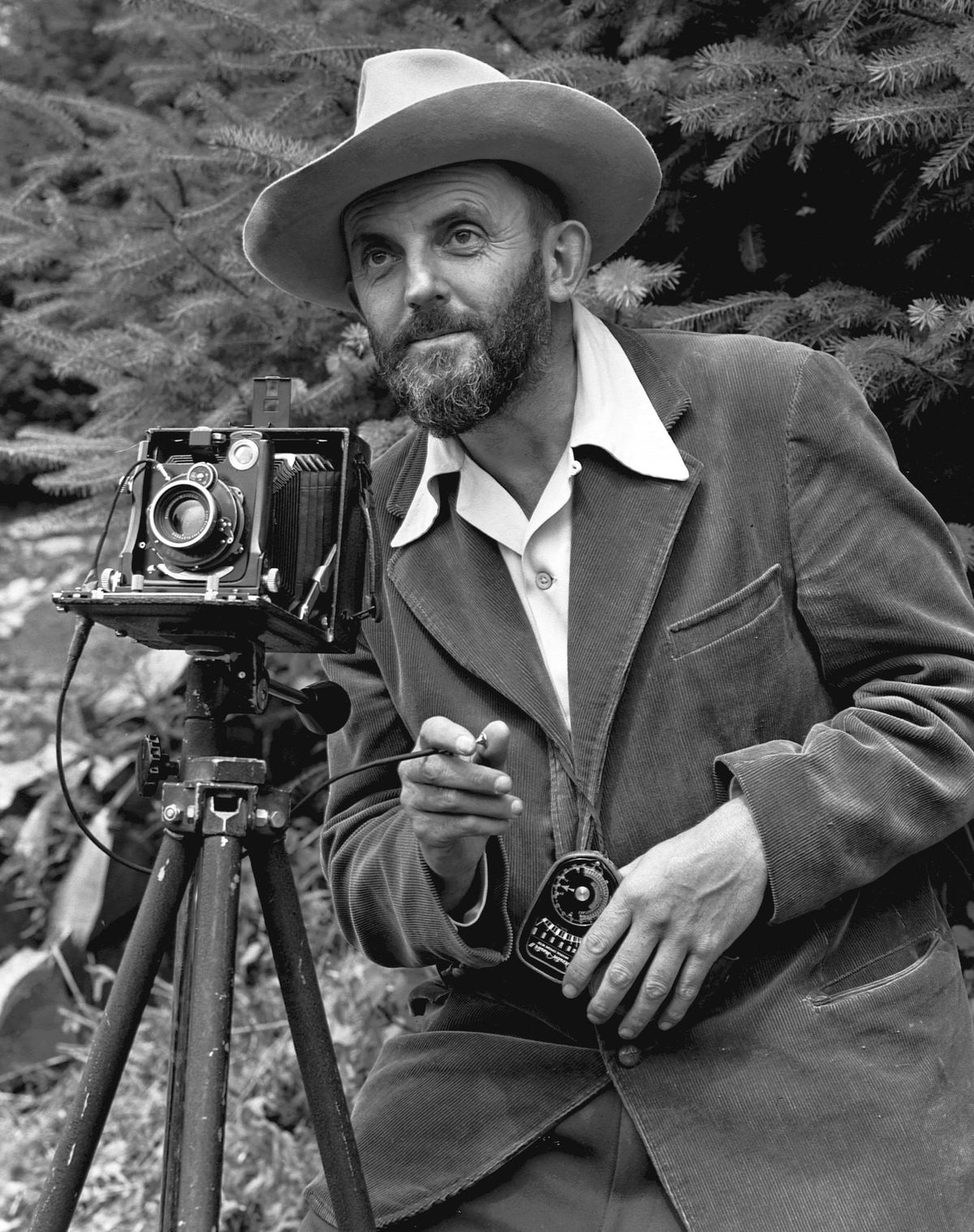
I often wonder where you are heading, photography. I’ve been with you for thirty years and seen so many of your changes. Film, emulsions, developers, posing, sleepless nights in the darkroom and finally the prints. Then, when you changed your mind: pixels, resolutions, bit depths, computers and printers. Today I see photos made inside a neural network, and I wonder what comes next.
Taking pictures and looking at truly beautiful photography give me a lot of pleasure, and something deeper too. Sometimes you can tell someone really knows what it’s about. The photos sing, they’re brilliant, and I feel wild joy at what someone saw and how they managed to show it.
Sadly, that is really rare.
With the years it gets harder to be moved by the photos I see online. Often even by the ones in galleries. Maybe I’ve looked at too many photos. Maybe I’ve met too many wonderful photographers. But I feel the pace at which photos are made, and the demands placed on the industry, work against quality. They work against thinking of photography as a deeper medium, artistic and not only commercial. When I see conceptual work that is meant to say something, but only after two pages of text, I admit I don’t get it. A photo is a photo. It should stand on its own.
At the same time, digital has given us quality the greatest could only dream of. Prints from 50 or 80 years ago still take my breath away, and they were hard to achieve: the technology was very different, and photographers were ready to spend far more time to make that one photo. One truly great photo. Today most people take hundreds and pick one. That’s a very different approach.
I think the effort a truly great photo once needed was never a problem. It was an asset. The time, the planning, then the processing that took days, gave the artist room to think through everything that comes together in a photo. That’s why those works carry a depth that comes from many non-obvious layers, hidden in the details and in hours of work and thought.
I look at photos and browse photographers’ sites, but it gets harder to be moved by what photography has become. So what will you become now, photography? When one sentence is enough, and the image appears on the screen by itself. I know you will no longer capture what is. So who is the photographer of the future? A painter of pixels, working from words and a sum of probabilities learned from our collective creativity?
See: Portraits · Renaissance